
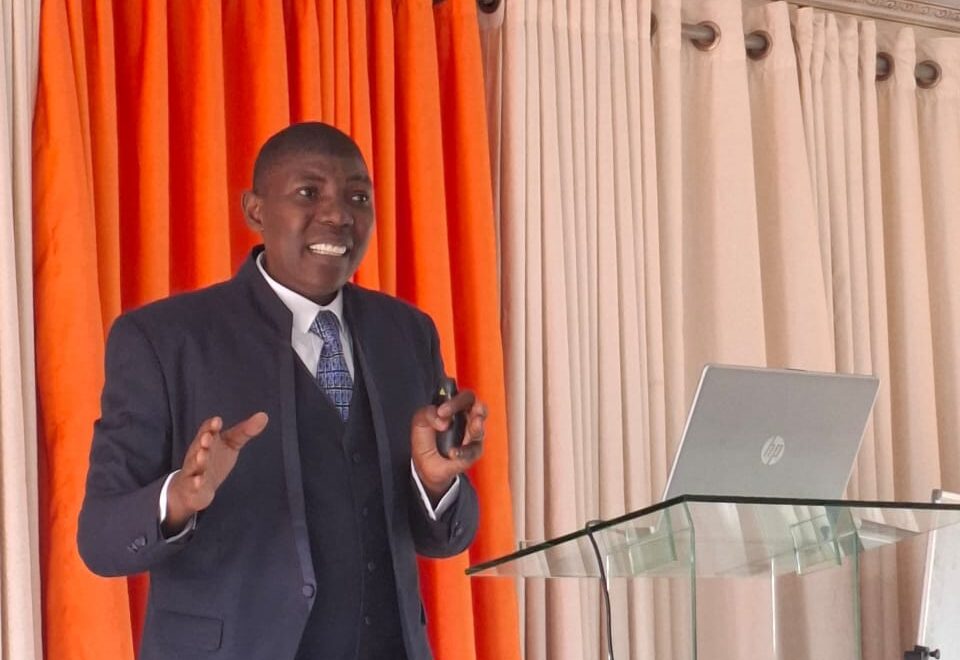
Coaching, mentoring, and pastoral counseling are still largely confined to in-person meetings, leaving countless people unreached. In Eswatini, Justice Nherera is quietly changing that.
Justice and his wife, Tsitsi, enrolled at African Christian College in 2011. Justice graduated with a Bachelor of Theology, majoring in Counselling, and carried with him a deep passion for helping people discover their potential.
Over the years that followed, he worked with various institutions and individuals, building a reputation as a trusted coach, mentor, and counselor. That journey eventually led him to one of his most visible roles yet: Coordinator of the Church of Christ Television Programme, which airs on DSTV Channel 331 every Sunday at 11 am and on Wednesday at 10 am across Southern Africa. Justice also manages the Church of Christ Television Ministry YouTube channel, which currently has about 1,500 viewers.
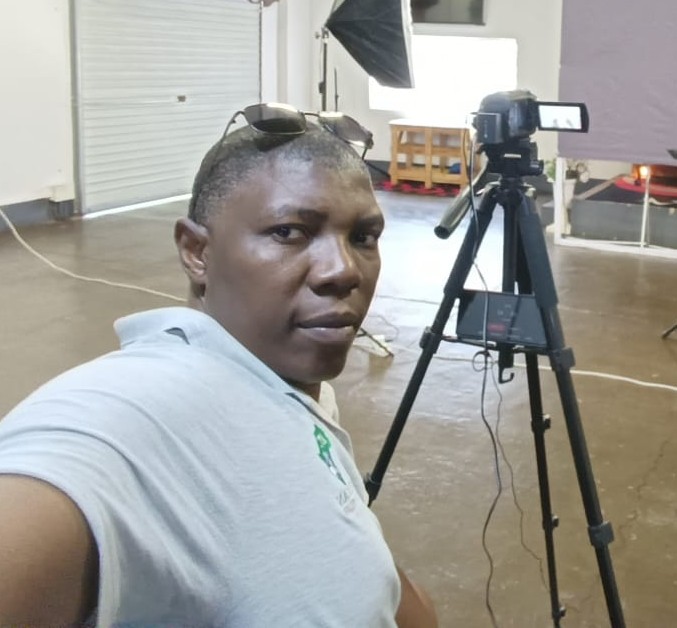
The reach of these platforms opened his eyes to something he had not fully anticipated. Viewers from across the region began reaching out. Some needed prayer. Others carried deeper burdens, psychological struggles, family crises, and personal pain that a Sunday morning broadcast production could not fully address. They are not just viewers. They are people in need.
“I looked at everything that God had blessed me with, from the work I do to the education I have acquired, and I arrived at the point where I thought I should take my coaching, counselling, and mentoring ministry capabilities to the next level,” Justice reflects.
That next level meant going online. Not simply scheduling video calls, but reimagining what a meaningful and personalised session could look like across the screen. The challenge was real.

“The biggest challenge in this ministry is humanizing such engagements so that the person does not feel like they are talking to a machine or a gadget, but can still feel like the session is in-person even when miles away,” he explains.
Justice leaned further into that discovery. He invested in additional education – ‘Online Learning and Facilitation’ and continues refining his approach, finding ways to make virtual sessions as warm and interactive as possible. The results began to speak for themselves, particularly among young people.
“I have found myself working with the young people, and that makes it a little easier because that generation already spends most of their time online,” he says.
What Justice is building is bigger than a normal counselling service would do. It is a model for how Christian Ministry becomes gritty and relevant – moving with the times without losing its heart. Coaching, mentoring, discipleship, and pastoral care all have a place in today’s digital arena.
Thank you for sharing the news of this on-line counselling ministry and Justice’s role in it. We were with Justice and Tsitsi in Eswatini years ago and know them to be a wonderful Christian couple.
What a great ministry, to enback on online ministry. This is a great idea for the new approach to ministry ✅
Colleague, friend, mentor. It’s great news from ACC. Faith, is the only word that can best describe Justice’s actions. May our Good God continue to inspire this Christian Brother in all ways possible.