
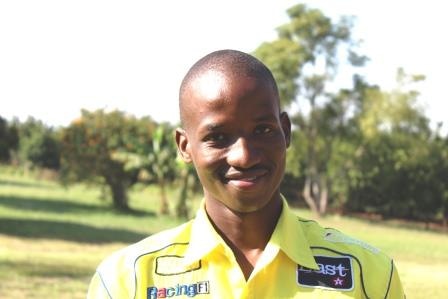
After seeing the growing cost of electricity in Eswatini, Ntokozo began exploring renewable energy as a way to help communities become less dependent on expensive sources of power.
A 2015 graduate of African Christian College, Ntokozo first encountered the problem through his work as a Registrar at Global University There, he saw firsthand how much electricity costs were affecting institutions and communities.
“I realized that there had to be a way to reduce these costs, and that sparked my interest in solar energy. I began investing time in understanding how it works and exploring how it could help alleviate the cost of electricity in our communities.”
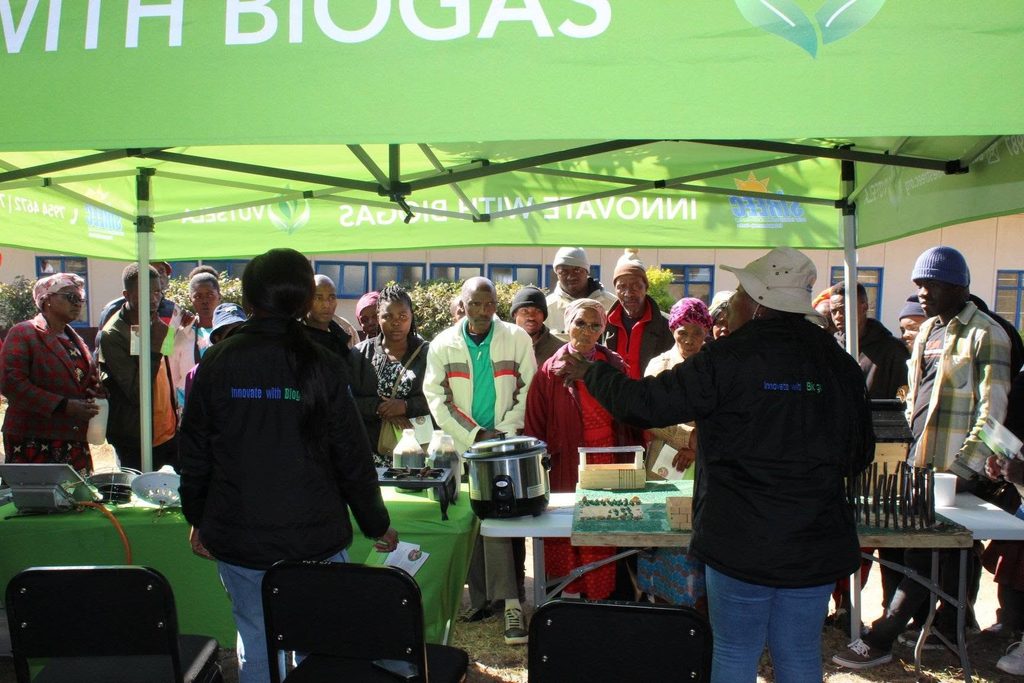
That interest led Ntokozo to the Solar Training and Renewable Energy Entrepreneurship Centre (STREEC), where he became a facilitator.
At STREEC, Ntokozo works with young people in aquaponics and entrepreneurship, encouraging them to think beyond conventional approaches and explore innovative ways of producing food and creating businesses.
“I still draw a lot from the entrepreneurship training I received at African Christian College as I inspire young people to start their own businesses.”
His renewable energy journey reached another level when he became a project leader for the Vutsela project, a sustainable farming and biogas initiative that converts cow dung and organic waste into clean cooking gas and renewable energy for homes, schools, and farms.
For Ntokozo, the project represents more than an alternative source of energy. It is a practical response to a national challenge.
“This project is what the country needs in its quest to deal with the ever increasing costs of electricity and other sources of energy.”
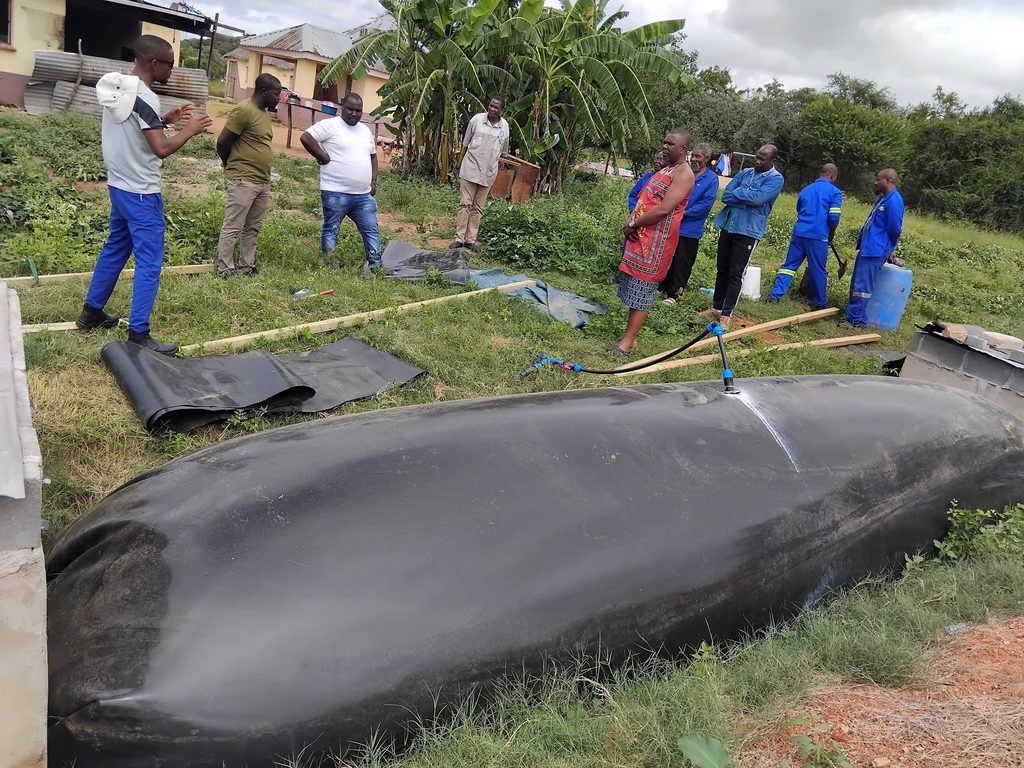
Through the project, Ntokozo works with community leaders and young people, teaching them how waste and other locally available resources can become sources of energy and income. The goal is not simply to create energy consumers, but to empower communities to become producers and problem solvers.
A number of young people who have gone through the programme have returned to their communities and started projects that provide energy for their families while creating opportunities for others.
For Ntokozo, this is the real measure of impact.
His journey demonstrates what transformational leadership looks like: seeing a challenge, refusing to accept it as inevitable, and using knowledge and innovation to create solutions. As Eswatini searches for more sustainable and affordable energy, Ntokozo is helping communities move toward a future where renewable energy is not only consumed but created, shared, and used to generate new opportunities.
Leave a Reply